
Published: August 4, 2025
By: ChromeOre.net Editorial Team
Indonesia has officially enacted two major government regulations affecting royalty rates on coal and mineral commodities—including a new framework for chrome ore, concentrate, and refined chromium metal.
These changes come under Government Regulation (PP) No. 18/2025 and PP No. 19/2025, signed into law by President Prabowo Subianto on April 11, 2025, and in effect since April 26, 2025. The new rates replace earlier structures and reflect Indonesia’s ambition to increase state revenue while encouraging more value-added processing in the domestic mining sector.
Chrome Ore and Ferrochrome: Key Changes
For stakeholders in the chrome ore and ferrochrome industry, PP No. 19/2025 introduces a tiered royalty system based on the level of processing:
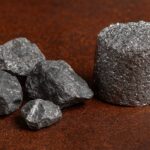
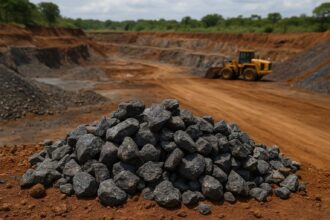
- Chrome Ore (raw): 5% royalty based on sales price per ton
- Chrome Concentrate: 4% royalty
- Refined Chromium Metal: 2% royalty
- PGM By-products (Platinum, Palladium, Rhodium, Ruthenium): 1% royalty
These updated royalties are significant for Indonesian producers and global buyers alike. With Indonesia emerging as a key chrome supplier in the region, the new rates may impact production costs, export competitiveness, and ferrochrome pricing across Asia.
“The new royalty structure recognizes the importance of downstream investment and introduces a clearer incentive for in-country processing,” said a market analyst from ChromeOre.net.
The impact on ferrochrome smelters sourcing domestic ore will be particularly relevant, especially as global stainless steel production continues to drive demand for high-grade chromium feedstock.
Royalty Updates for Other Key Commodities
Indonesia’s updated PNBP regulations also cover a broad range of other minerals:
- Coal: 5%–13.5% depending on calorific value and mining method
- Nickel: 14%–19% for ore, 3.5%–7% for NPI, matte, FeNi
- Copper: Up to 17% for ore, 10% for concentrate
- Tin, Bauxite, Zinc, Manganese, Lead: New brackets from 2%–10%
- Rare Earths & Lithium: 1%–4.5% based on material and form
These reforms align with Indonesia’s hilirisasi policy—a national push to increase domestic value creation by processing raw minerals before export.